Feminist Theologies: Another Excerpt

Now, with the troubling revelations surrounding César Chávez and the ongoing discussions connected to the Epstein files, we are confronted with the stronghold of patriarchy and misogyny in our society.
These moments reveal deeper systemic realities and patterns of power, silence, and complicity that have long protected abusers while marginalizing and discrediting women.
Thus, the work of justice must remain urgent and ongoing. We must actively work toward equality for all people. This includes not only social and political change, but also the critical work of theology. The ways we speak about God, interpret scripture, and structure our faith communities shape how we understand human dignity and worth.
If our theology continues to privilege male dominance, then inequality will persist. But if we engage in faithful, rigorous theological work that affirms the full humanity of women, we begin to lay the groundwork for transformation.
As we observe Women’s History Month, we must do more than celebrate. We must remember. We must acknowledge the struggles women have endured and commit ourselves to ensuring that these injustices are no longer perpetuated.
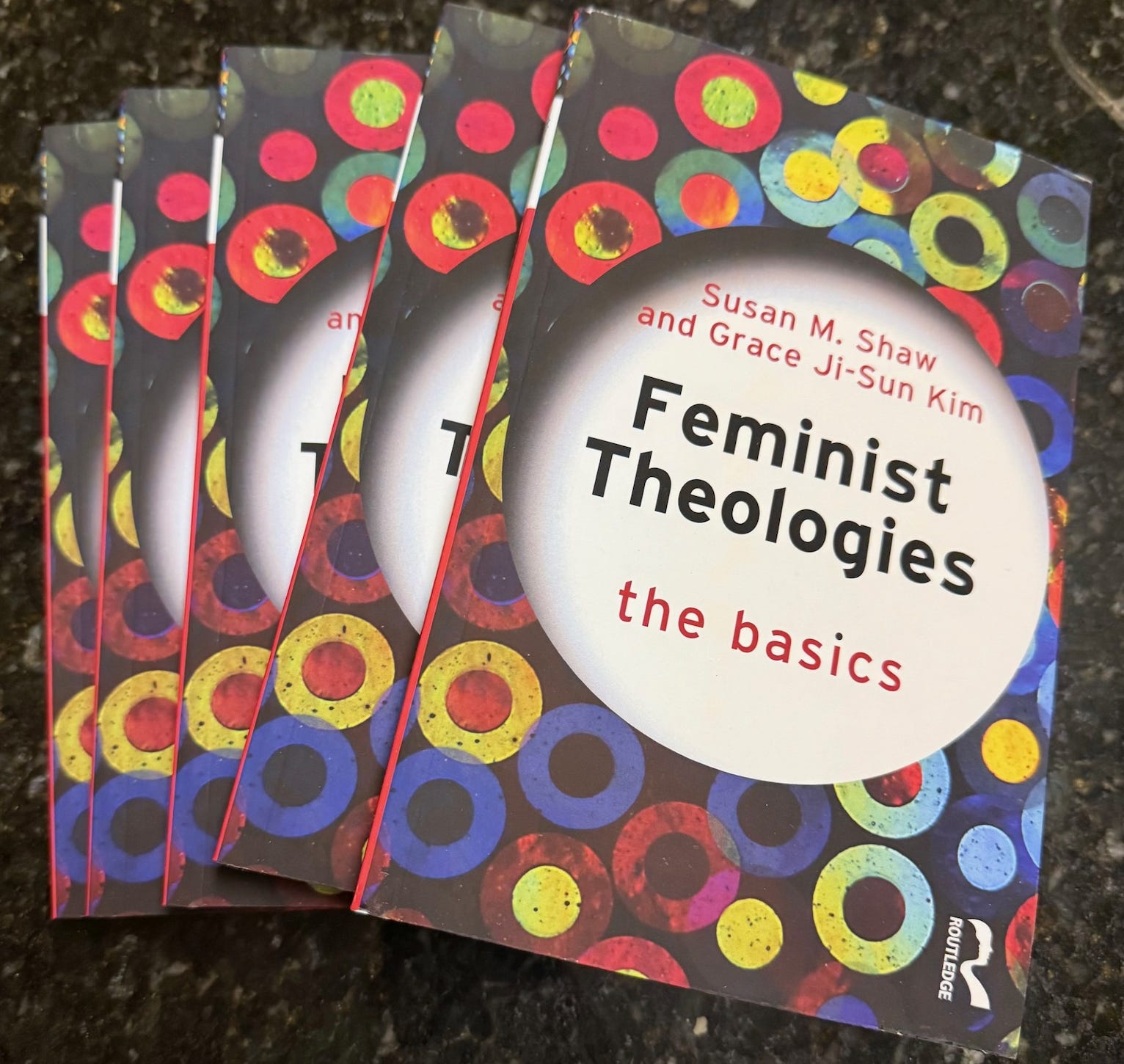
Below is an excerpt from Feminist Theologies, co-written with Susan Shaw. It is offered as a resource to act more justly and to continue the work of justice.
INTRODUCING FEMINIST THEOLOGIES
Most systematic Christian theology has been written by men with ecclesial power for men with men’s experiences at the center, particularly cis-gender, heterosexual, educated, able-bodied, Western, white men. These theologies have often helped maintain the dominance of some men over everyone else as these men have created God in their own images, ignored the perspectives of minoritized people, and built empires rooted in beliefs about their own superiority. Relatedly and similarly, these men have interpreted the Bible from their own perspectives, as if those perspectives are universal, and have used the Bible to justify their dominance over others. Even in their most benevolent form, patriarchal theologies are limited and limiting, telling only a tiny fraction of the stories of humans in all their diversity. These theologies leave out most of us, and that exclusion is harmful to all people and the planet because it gives some people the illusion that it is their God-given right to subjugate people, amass power and wealth, and mistreat those deemed less worthy and the planet itself.
In the First Wave of the Women’s Movement in the USA, early feminists recognized the power of Christian theology in maintaining men’s dominance over women. Sojourner Truth, a former enslaved woman and abolitionist, found inspiration in her faith to work for social justice. She also articulated an intersectional understanding of gender and race in her work on behalf of the oppressed. At the Ohio Women’s Rights Convention in 1851, she challenged prevailing ideas about racial and gender equality. She said:
I can’t read, but I can hear. I have heard the bible and have learned that Eve caused man to sin. Well if woman upset the world, do give her a chance to set it right side up again. The Lady has spoken about Jesus, how he never spurned woman from him, and she was right. When Lazarus died, Mary and Martha came to him with faith and love and besought him to raise their brother. And Jesus wept - and Lazarus came forth. And how came Jesus into the world? Through God who created him and woman who bore him. Man, where is your part? But the women are coming up blessed be God and a few of the men are coming up with them. But man is in a tight place, the poor slave is on him, woman is coming on him, and he is surely between-a hawk and a buzzard. (Truth 1851)
Elizabeth Cady Stanton, an important force in the struggle for women’s sufrage, saw the Bible as a source that contributed to women’s oppression. In response, she published The Woman’s Bible in two volumes in 1895 and 1898. The work by Stanton and other women scholars ofered feminist perspectives on passages related to women in order to challenge the ways interpreters used the Bible to subordinate women. Her work was a precursor to the feminist theologies of the Second Wave.
As the Second Wave of the Women’s Movement got underway in the early 1960s, feminists noticed this link between patriarchy and theology and the ways these patriarchal theologies harmed women and other minoritized people. Starting with Valerie Saiving’s groundbreaking 1960 essay, “The Human Situation: A Feminine View,” feminists began to question traditional theological notions and biblical interpretations, shifting the locus from men’s experiences to women’s. Saiving noted that when traditional theologies interpret the sin of the Fall in the Garden of Eden as pride, they are relying on men’s experiences. Women, she observed, do not often struggle with pride. In fact, she pointed out, women are much more likely to engage in self-abnegation and erasure rather than pride (1960, 100–112).
Feminist theologies, unlike traditional theologies, start with women’s experiences. While many early feminist theologies by white women overlooked intersections of gender with race, sexuality, ability, and empire, contemporary feminist theologies tend to be more intersectional, recognizing that experiences of gender are always shaped by race, sexuality, ability, class, nation, and other forms of social difference.
Feminist theologies are contextual—they are rooted in the contexts of those doing the theologizing. Feminist theologies are not seeking to create universal understandings of human and Divine experience. Rather, feminist theologies work to illuminate particular facets of human and Divine experiences that are local, specific, and individual and that speak to shared questions about the Divine, human existence, joy, love, and justice.
Feminist theologies are also liberation theologies—they seek to contribute to the movement toward individual, social, economic, political, and global justice. As liberation theologies, feminist theologies understand women, across all their differences, as an oppressed class for whom God shows preference. In other words, God is on the side of the oppressed, and God calls for the liberation of all oppressed people. Redemption is the present task of working alongside God to bring about liberation. Key themes of liberation theologies are God’s favoring of the poor and the oppressed; Jesus’ identification with the poor; the imperative for Christians to act with and for the poor; biblical mandates for justice; and the necessity of confrontation or conflict to bring about justice. Feminist theologies draw on these themes to think about women and other minoritized people as oppressed classes alongside the poor (p. 8-10).
Special Events:
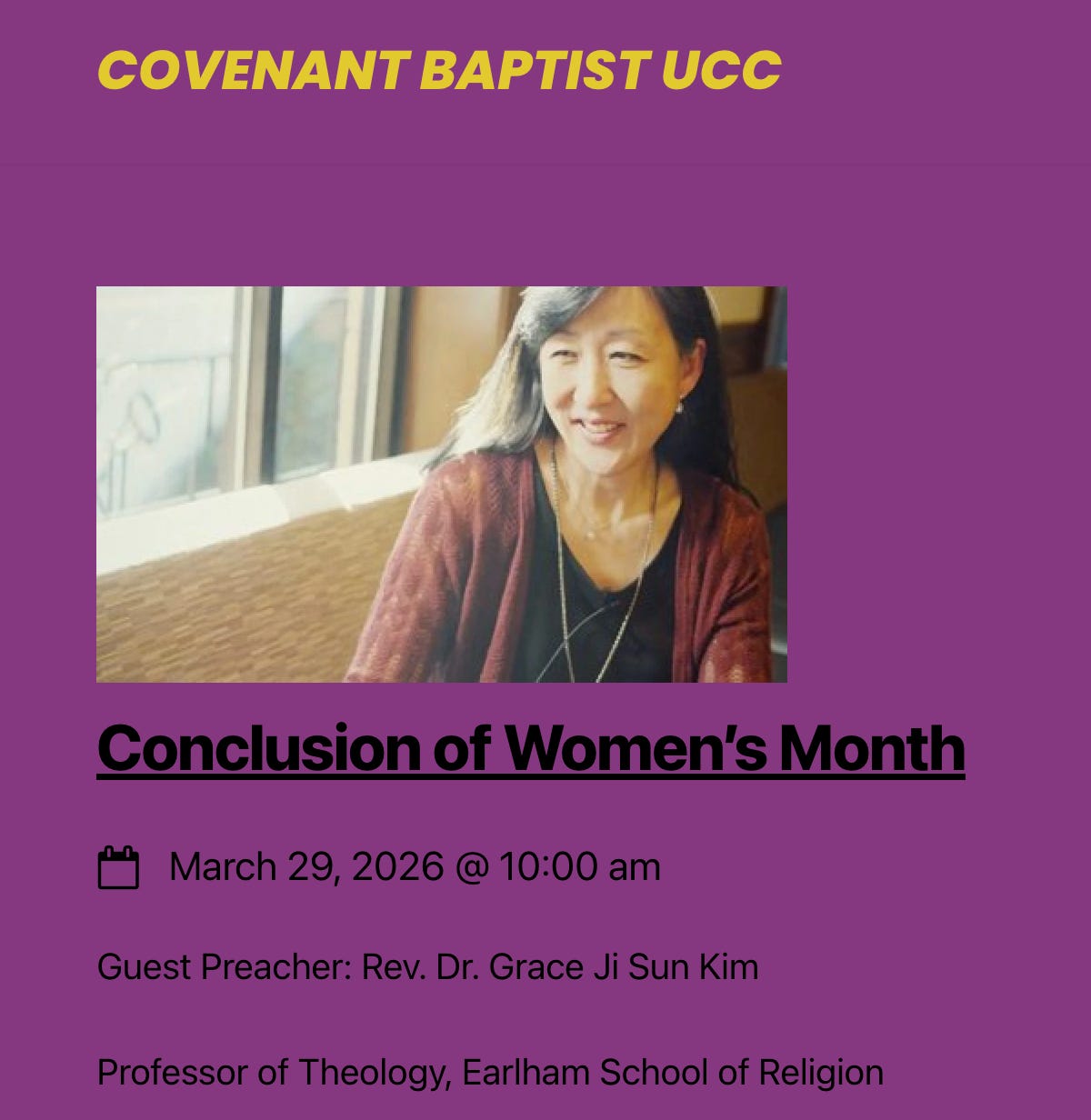
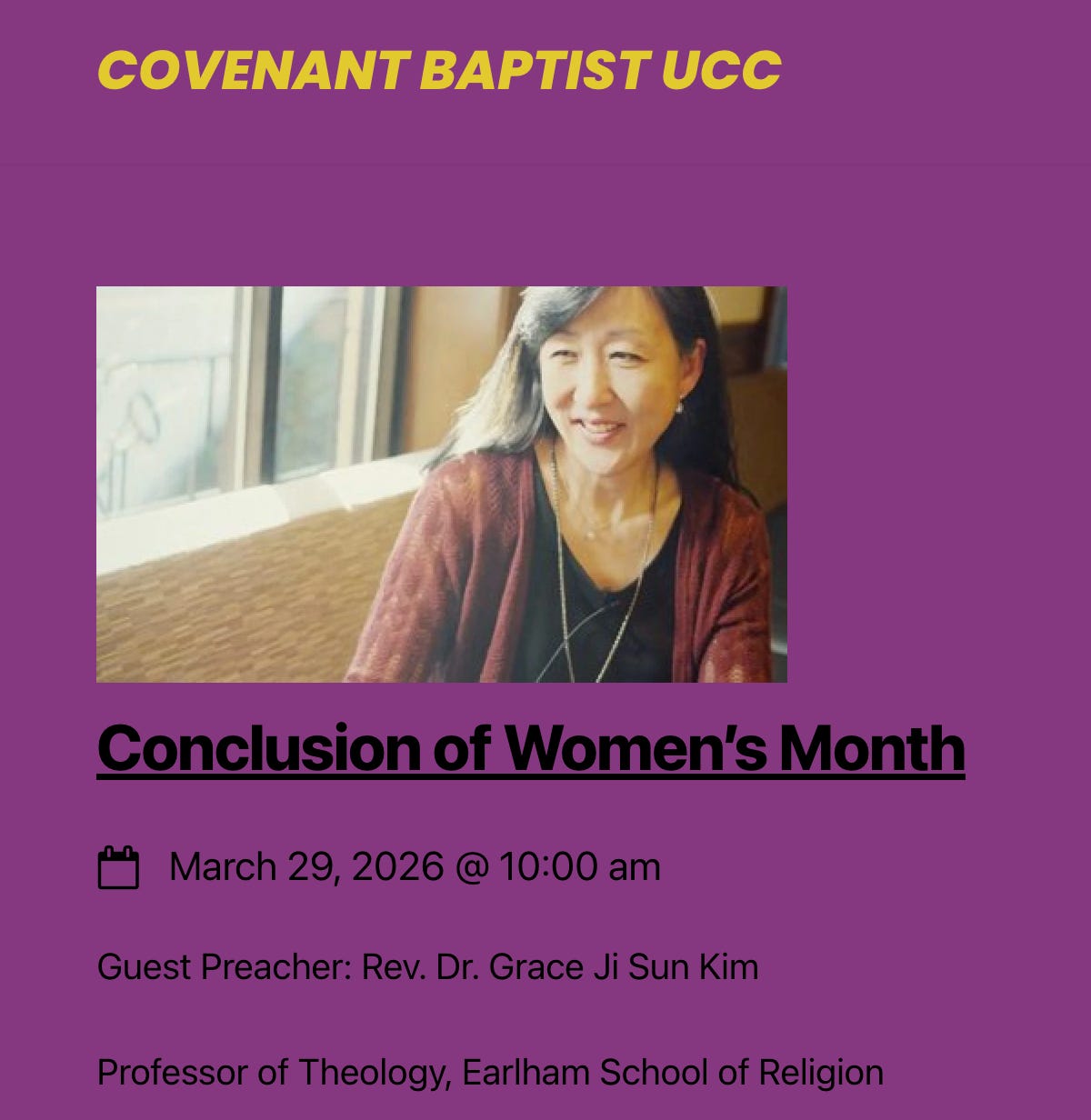
Please join me at Covenant Baptist United Church of Christ in DC this Sunday as I preach and sign books following the service.
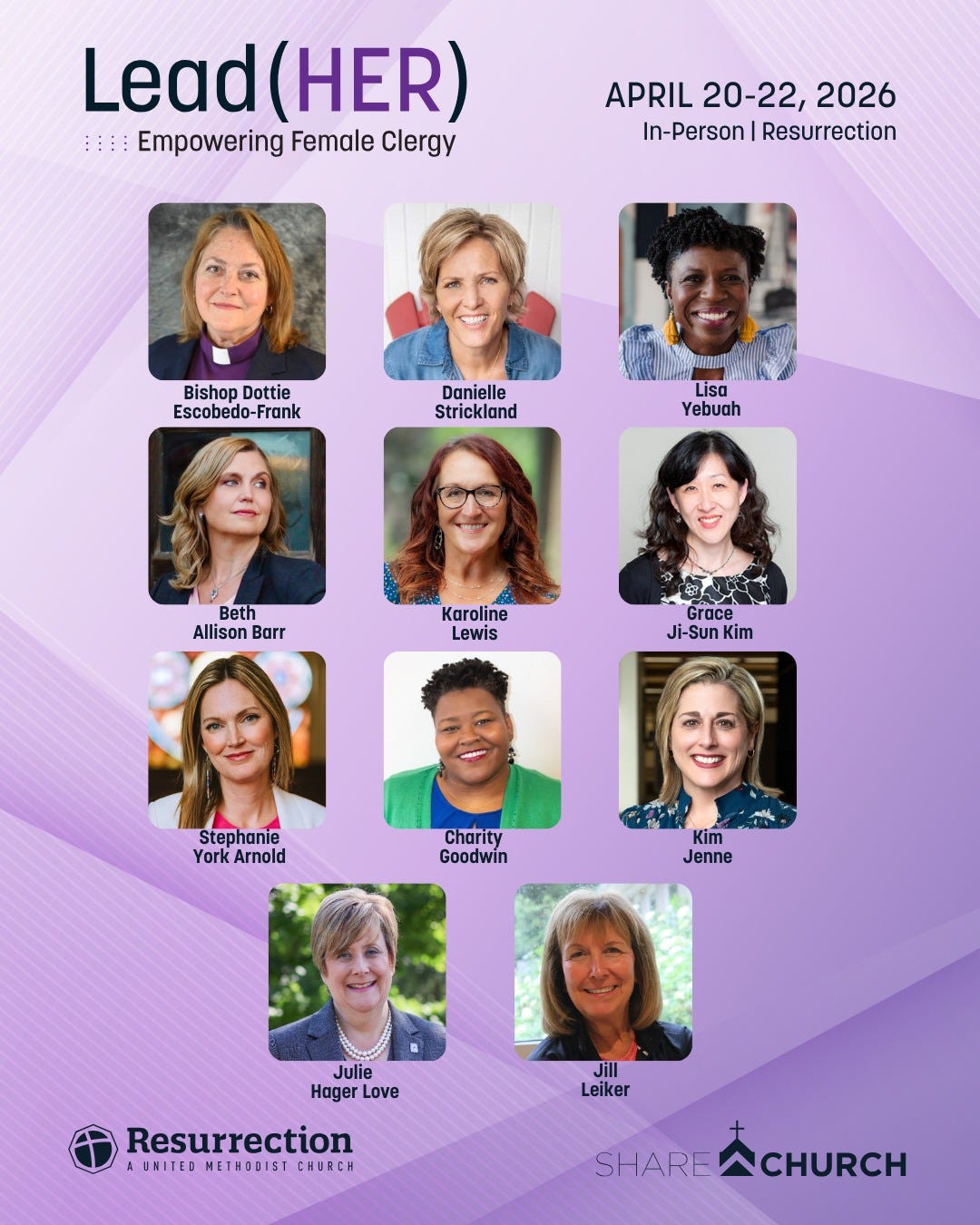
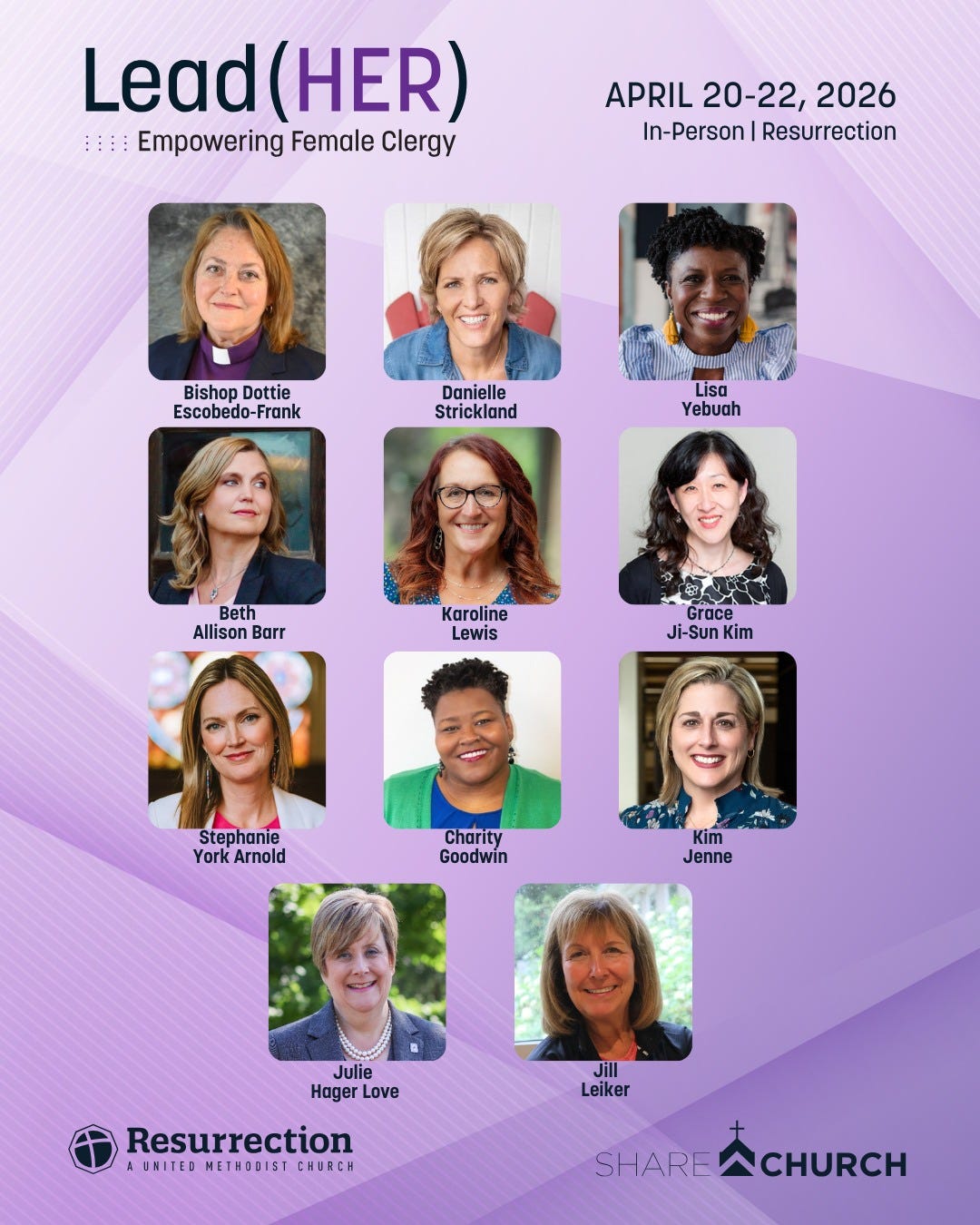
Join me at the Lead (Her) Conference, April 20-22 in Kansas City.
I will be speaking at Crieff Hills on Hope in Disarray. Please come meet me there.
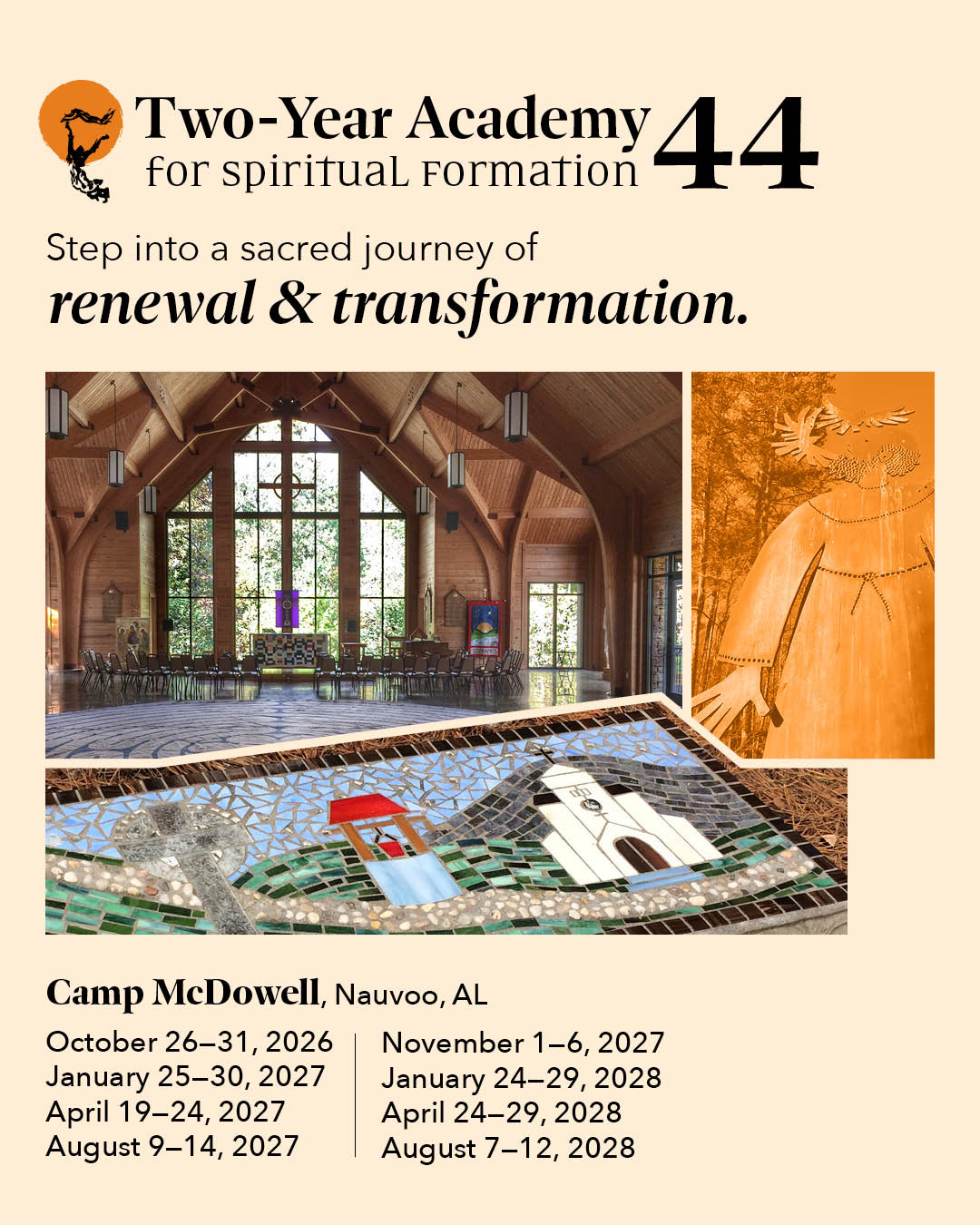
Are you longing for deeper rhythm, grounding community, and space to listen for God? The Academy for Spiritual Formation invites you to Academy #44, beginning October 2026 at Camp McDowell in Nauvoo, Alabama. For two years, you’ll journey alongside a diverse community of seekers—practicing prayer, silence, study, and embodied faith. Through trusted faculty, guided retreats, and spacious rhythms, The Academy offers a sacred place to rest, heal, and be renewed. Step into a sacred journey of renewal and transformation. Learn more and apply at Academy.UpperRoom.org/44.