
The Sacred and Transformative Practice of Writing

Writing is an important spiritual exercise. It invites us to slow down, reflect, pray, and listen more deeply to ourselves, to others, and to God. Please read my new piece for Good Faith Media, “The Sacred and Transformative Practice of Writing.” I hope it encourages you to pick up your pen, listen to your soul, and write.

The Sacred and Transformative Practice of Writing
Writing is a powerful tool.
They say that the winners often write history and history profoundly shapes our past, present and future. The one who holds the pen has the power to influence how we understand what has happened and imagine what lies ahead. The writer can change the course of our future through words, by redefining, reexamining and reconfiguring our path forward.
Words matter. They can harm or heal.
That is why writers struggle with word choice and sentence structure, as words can provoke new thoughts and imagination. The stories we tell and the images we create shape and influence our beliefs, values and actions.
This conviction was one of the motivations behind my book, When God Became White. The way we speak about God and the words we use to address God deeply influence our theological imaginations and, in turn, our ethics and our actions. If God is consistently portrayed as a white male, even though no one has seen God, then we continue to believe that God is white and masculine.
Such an image of God reinforces systems of patriarchy and racism in society and the church. This image brings white people and men closer to God and lowers women and people of color along our imagined and constructed hierarchy of people and the world.
The words we use shape our theology and understanding of Christianity. In turn, that understanding influences how we live in the world.
Therefore, many liberation theologians are retrieving biblical writings and church traditions that use more inclusive terms to speak and address God. We need to use these non-gendered and non-racialized terms like Spirit and YHWH to speak about God to help us move away from patriarchy and racial injustice.
So writing isn’t merely an intellectual or creative exercise. It is also a spiritual and transformative practice. It is persuasive and compelling as it changes how we view the world, the church and God.
Recently, Rev. Mark Koenig and I had the privilege of leading a writing retreat with the theme “What Our Souls Long to Say.” The retreat was held at the marvelous Ghost Ranch, an awe-inspiring place in northern New Mexico where time slows down and everyday worries fade away. Nestled among scenic mountains, clear open skies, and breathtaking landscapes, it provides an ideal setting for reflection, creativity, writing and renewal.
We gathered writers, bloggers and future authors for a meaningful week of writing exercises, methods, reflections and dedicated time to work on their own projects. It was a remarkable group who courageously shared their stories, vulnerabilities, hopes, dreams and their writings. Their written pieces were inspiring.
We also explored how our writing styles differ according to our audience and how our unique experiences shape the stories we share. I hope that all the participants left feeling excited, encouraged and inspired to continue their personal writing projects and publications.
The retreat reminded me once again of how deeply writing continues to shape my own teaching, preaching, scholarship and vocation. Writing helps me clarify my thoughts, wrestle with difficult questions and imagine new possibilities for faith, action and justice.


I encourage everyone to write.
Write in a journal, write poetry, write prayers or start a blog. Share your stories that have been stirring in your soul for years.
Record your memories for your children or grandchildren so that you can leave your legacy and footprint with them. Continue the book you began writing years ago, approaching it with new insights and renewed encouragement.
Writing is good for us as it helps us process our experiences, confront challenges and gain new perspectives on the struggles we face. It encourages reflection, creativity, and deeper understanding.
Through writing, we can find and offer a voice to our deep hopes, lament our past and reimagine a more just and compassionate world.
Writing becomes an act of hope and creation. It gives us the freedom to stretch our imaginations and our world.
Writing is also a form of resistance. James Cone, an African American theologian, wrote in Said I Wasn’t Gonna Tell Nobody, “I write because writing is the way I fight.” Cone knew the power of his writing to change lives, society and the church.
Therefore, we should never underestimate the power of the written word. A pen can change hearts, challenge injustices, inspire communities, and help shape a better future for our world.
What does your soul long to write?


Special Events:
Join me for Homebrewed Team On-line Class, “Unsettled Ground” hosted by Tripp Fuller and Diana Butler Bass.
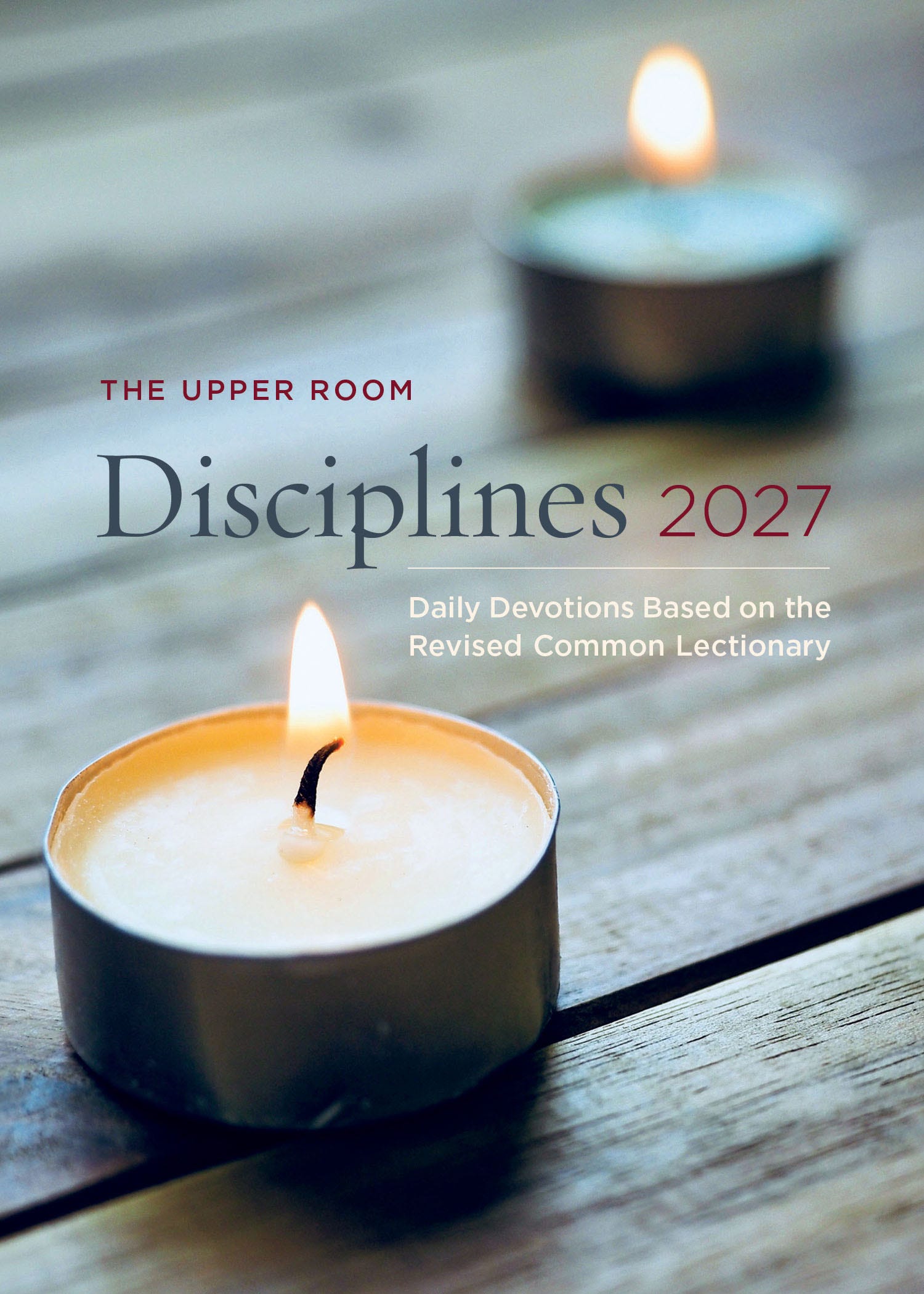
Grateful to Upper Room for sponsoring Madang Podcast. Save 20% on Disciplines 2027 at The Upper Room! Visit store.upperroom.org/Madang - and use promo code MADANG at checkout.
Watch the worship service for the Church of St. Andrew and St. Paul in Montreal from this past Sunday. It is a historic church with a rich legacy of faithful ministry and is home to a variety of vibrant ministries. It is also a diverse congregation in the Presbyterian Church in Canada.
Join me at the Wild Goose Festival. Use discount code “A-GK” and you’ll get $50 off the price of an adult weekend ticket. Here is my talk from last year on When God Became White.
So, so good! I’m very much a believer that writing is one way I connect with God.